
Field quoting
Why the Fastest Quote Often Wins the Job
In the trades, speed sells. Here is why the first good quote usually wins.
Practical, honest advice from the team behind QuoteSnapr, written to help you do this well.
In the trades, speed sells. Here is why the first good quote usually wins.

Building the quote while you are at the job has real benefits. Here is why it works.
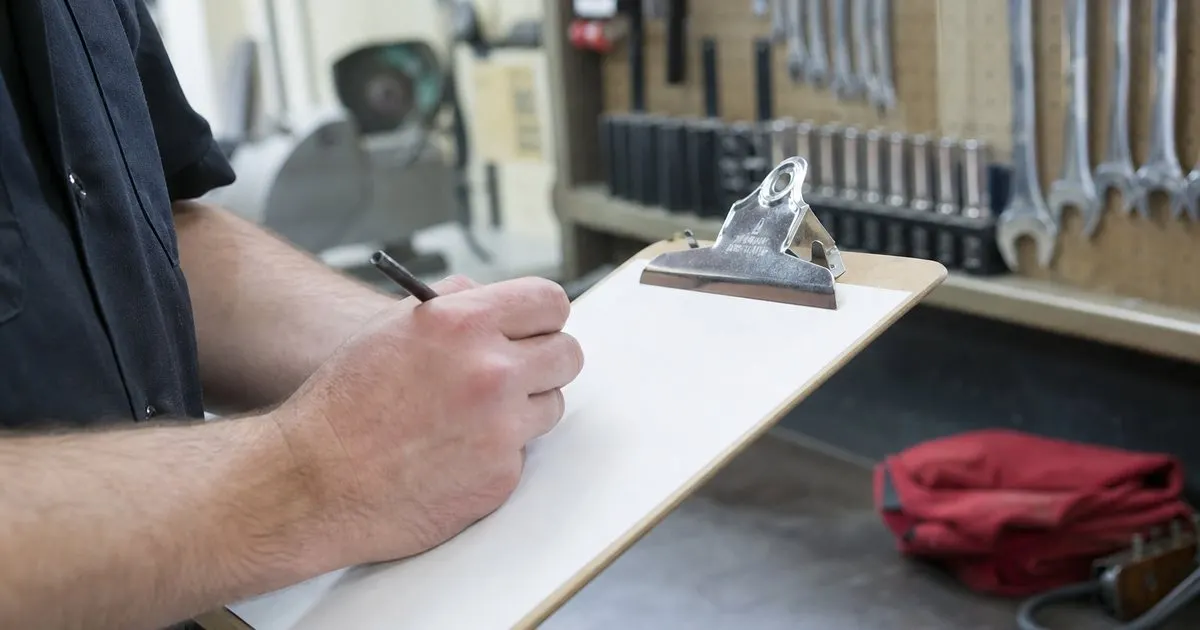
Re pricing every quote from scratch is slow. Here is how a price book speeds you up.

A quote with photos is easier to trust and to say yes to. Here is why.

A single lump sum invites suspicion. An itemized quote invites a yes. Here is why.

A good follow up wins jobs a great quote alone would lose. Here is how to do it right.

A few avoidable errors cost tradespeople jobs and profit. Here they are.

An accepted quote is not done until it is on the calendar. Here is how to close the gap.

Winning jobs is pointless if they do not profit. Here is how to price trade work to actually make money.

Extras are where small jobs lose money and goodwill. Here is a simple change order habit that keeps both the customer relationship and your margin intact.
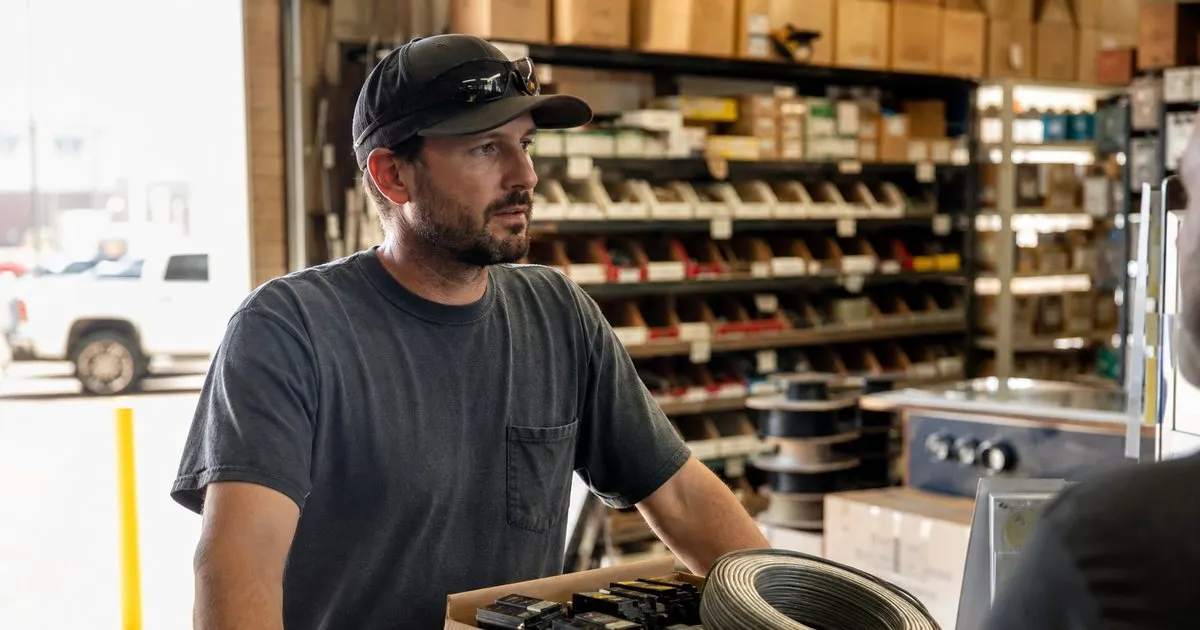
A quote is a promise about prices you do not control. Here is how to set a validity window that protects you without scaring off slow deciders.
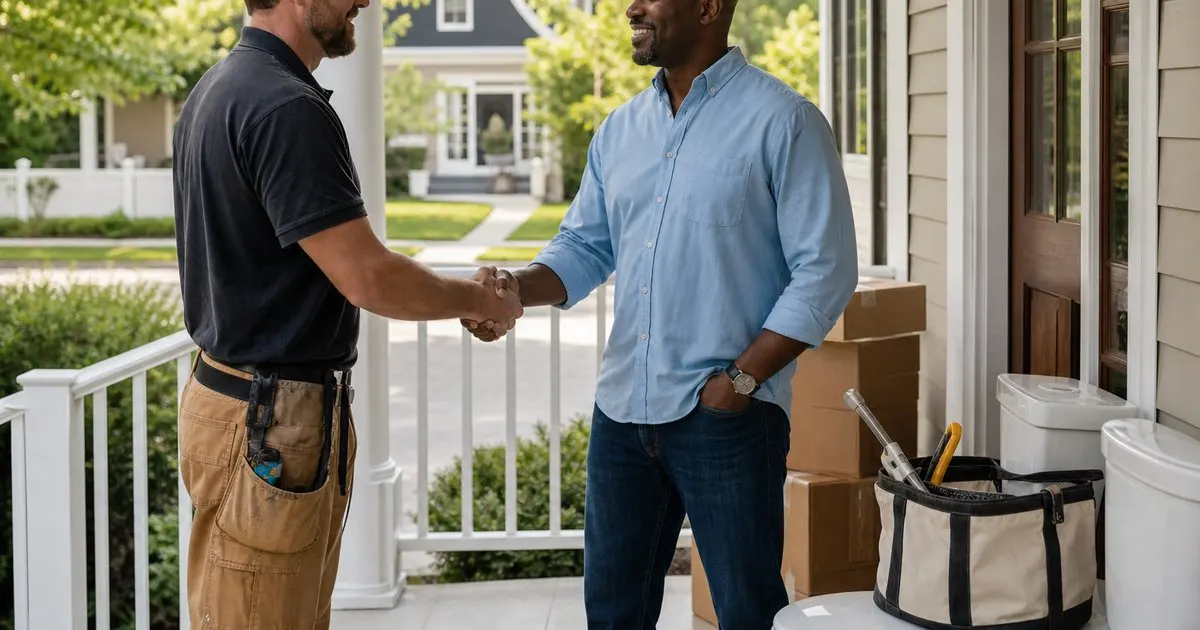
Deposits fund materials and filter out tire-kickers, but the wrong amount can cost you the job. A practical look at sizing, timing, and stating deposits on the quote.
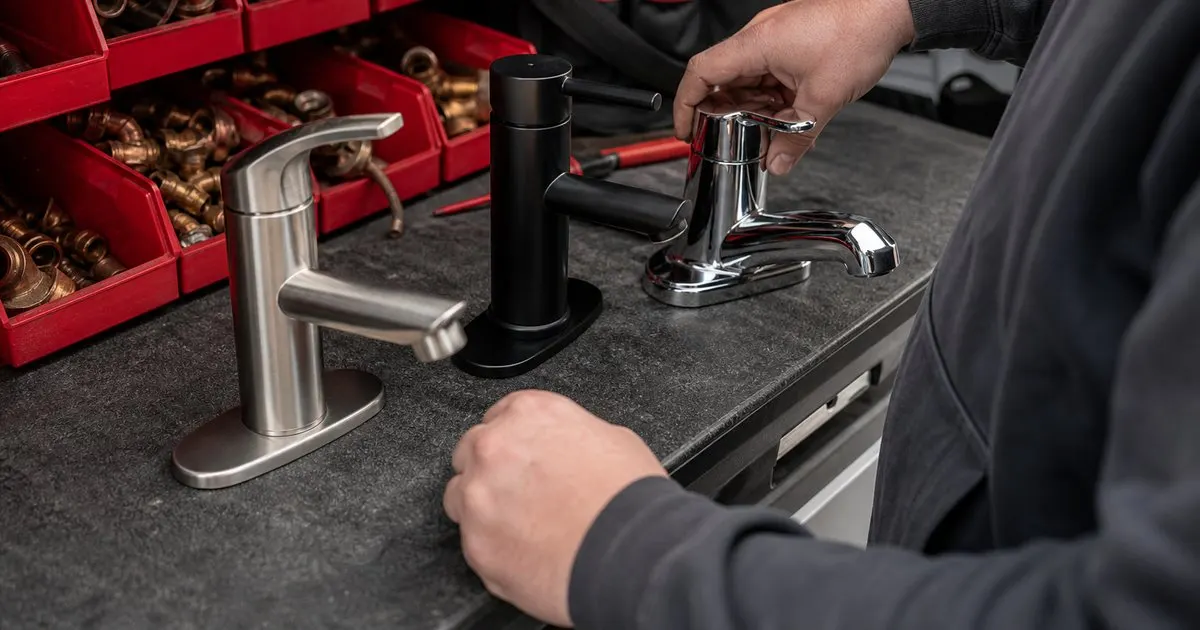
Good, better, best quoting is not a sales trick. Done honestly, it answers the customer's real question, which is usually some version of "what are my choices?"
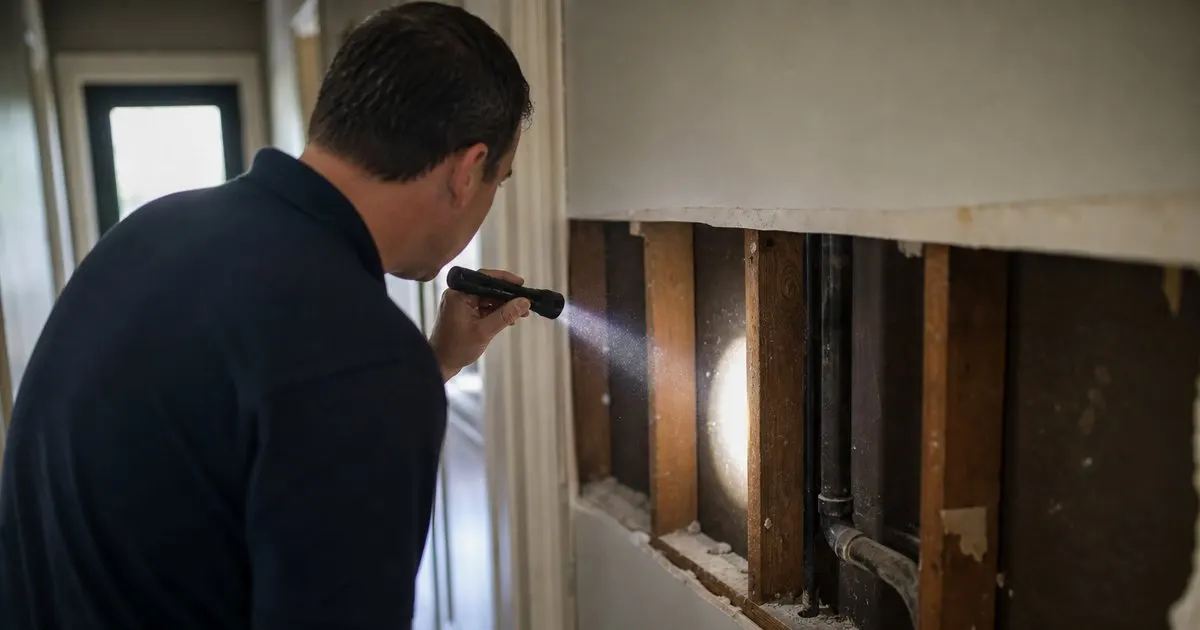
Every trade faces the unknown: what is under the floor, inside the wall, or behind the panel. Here is how to write a quote that stays fair when you cannot see everything.

Pre-existing scratches, cracks, and stains become your fault the moment you leave without proof. A five-minute photo routine that closes that gap.

Not every job is worth quoting. Knowing when to decline politely saves hours of unpaid estimating and keeps your schedule open for work that pays.
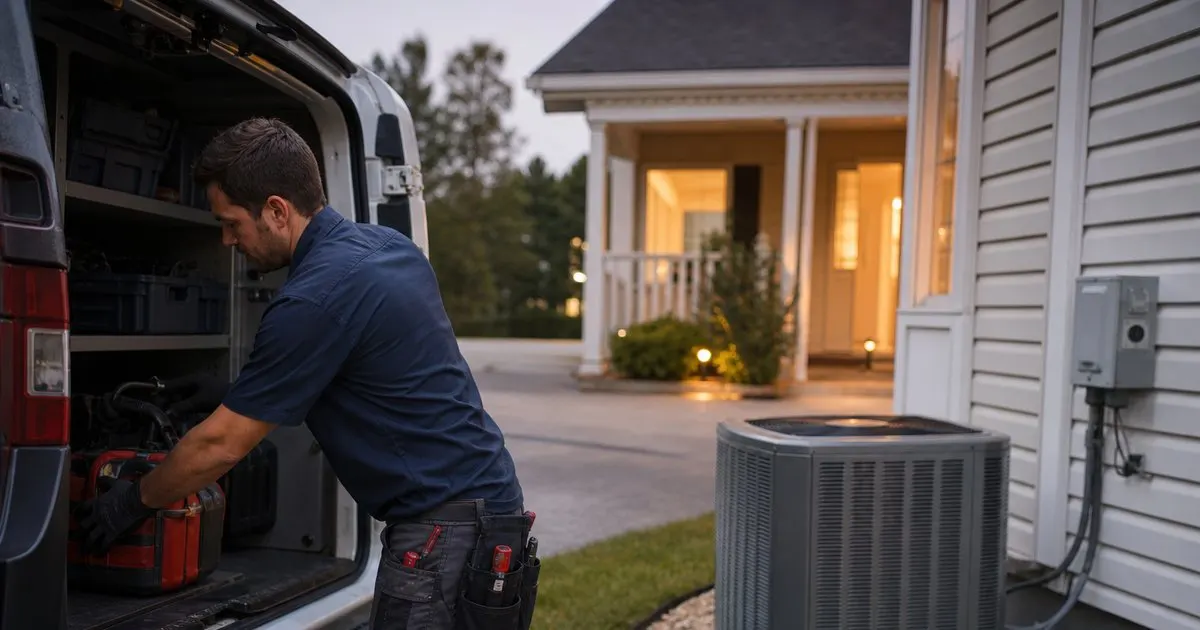
The invoice should be the quote plus what changed. Here is a workflow that keeps the two documents in sync and gets you paid faster.

"That is more than I expected" is not a no. It is the start of a conversation, and how you handle it decides whether you win the job or give away your margin.

Free estimates are a marketing cost that most small trades never measure. Here is how to put a fee on a site visit, say it early, and still book the work.
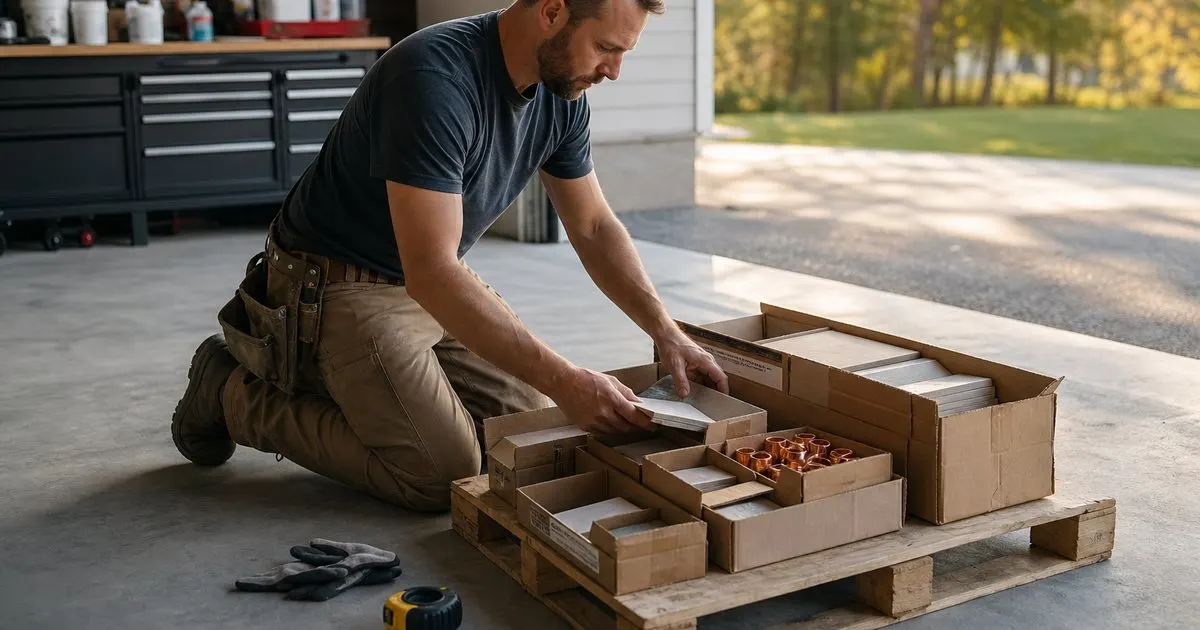
Customer supplied materials do more than remove one line from your price. They change your margin, your schedule, and your warranty, and the quote has to say so.