Which photos should a contractor take of existing damage before starting work on site?
Pre-existing scratches, cracks, and stains become your fault the moment you leave without proof. A five-minute photo routine that closes that gap.
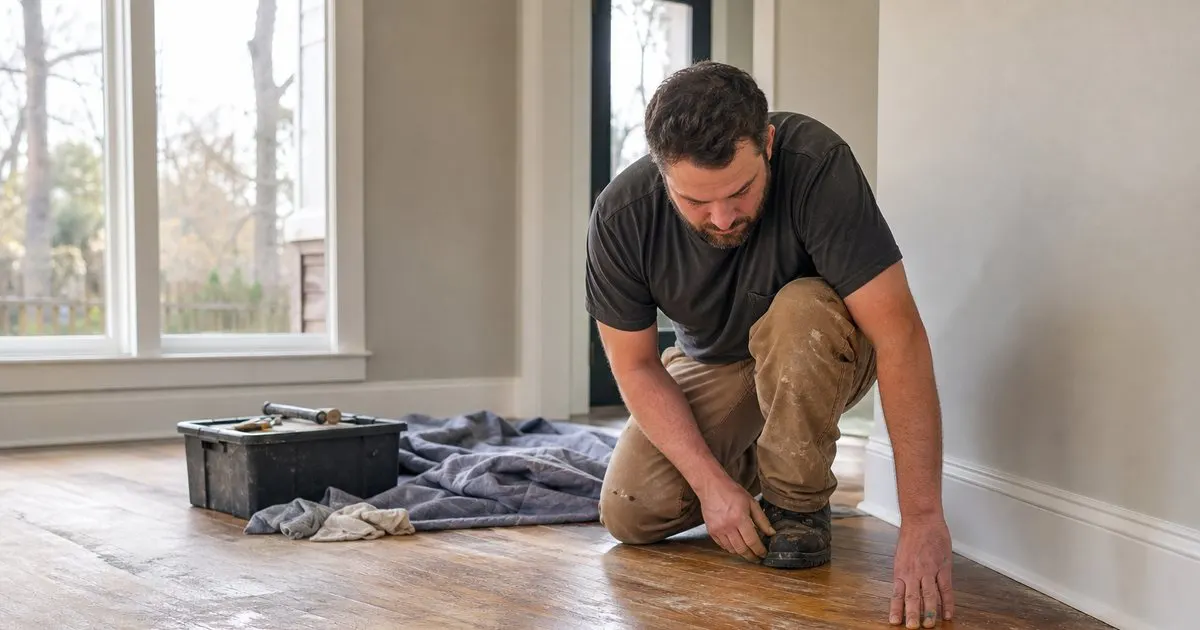
Why the walkthrough photo set matters more than the job photos
Most contractors take photos of their finished work. Far fewer take photos of the site before they start, and that is the set that settles disputes. A scratched floor, a cracked tile, a dented appliance, or a stained ceiling that was already there is invisible to the customer until the job is done and they start looking closely. Then it is new to them, and you are the only other person who has been in the house. Related: How much deposit should a trade contractor collect before starting a quoted job?
The walkthrough set is not about distrust. Most customers are honest and simply do not remember what their baseboard looked like. Your photos help them remember. Framed that way, "I take a few pictures of the area before we start so we both have a record" is something nearly everyone appreciates.
Keep reading: Why the Fastest Quote Often Wins the Job, Quoting on Site: The Advantages, Building a Price Book You Can Reuse. See how QuoteSnapr helps you photo-based quote and estimate builder for trade contractors.
The shots to take in every room you will touch
Start wide: one photo from the doorway showing the whole room as it is. Then the path: the route from the entry to the work area, including the floor, stair treads, door frames, and any walls your ladder or materials will pass. Then the work zone itself, from two or three angles. Finally, close-ups of anything already damaged, with a finger, coin, or tape measure for scale. Related: Why does offering three price options help a contractor close more residential jobs?
Do not forget the outside: the driveway surface where you will park or stage materials, the lawn and beds along the path, the siding near any ladder placement, and the entry door. Appliances and fixtures you will move or work around get their own close-ups, including the tops and edges where scratches show. This whole set takes about five minutes in a typical house.
Making the photos useful later
A photo with no date, no location, and no context is much weaker than one attached to the job. Keep the set tied to the quote or job record with the capture date preserved, ideally in the same tool where the quote lives so the customer's file holds both. A quick note on the damaged items, "existing scratch on floor near hallway closet," turns a picture into evidence. Related: What should a contractor do when a customer asks for extras after the quote is signed?
Share the pre-existing damage shots with the customer before you start, not after. A short message with three or four photos, "noticed these before we began and wanted you to have them," costs you a minute and builds trust immediately. It also invites them to point out anything you missed, which is exactly what you want.
The after set, and when to take it
The after set matches the before set: same wide shot, same path, same work zone, taken before you load the truck and while you can still fix anything. Compare quickly on site. If you did leave a mark, address it right then. Finding it yourself and fixing it is a very different experience for the customer than having them discover it after you have left.
Over time, the before-and-after habit produces something useful beyond protection: a library of real job photos, already organized by job, that you can use in future quotes to show similar work. The same routine that guards against a false damage claim also makes your next quote more persuasive. Related: Why the Fastest Quote Often Wins the Job
- Photograph every room you will pass through and work in before you touch anything.
- Take wide shots, path shots, work-zone angles, and close-ups of existing damage with something for scale.
- Keep the set attached to the job record and share the damage shots with the customer before starting.
- Repeat the same shots at the end, compare on site, and fix anything you find yourself.

Julien Jimenez
Julien Jimenez is an independent software builder based in Paris. He designs, ships, and operates focused SaaS products for small businesses and independent professionals. Read the full author page.
Quote the job from the driveway
Photo-based quote and estimate builder for trade contractors. QuoteSnapr is built to help you put this into practice.
Build a quoteMore from the QuoteSnapr blog
Why the Fastest Quote Often Wins the Job

Quoting on Site: The Advantages
Building a Price Book You Can Reuse
Get the QuoteSnapr playbook
Practical guides on field quoting, straight to your inbox as we publish them. No spam, unsubscribe any time.