When should a trade contractor let a written quote expire and reprice the job?
A quote is a promise about prices you do not control. Here is how to set a validity window that protects you without scaring off slow deciders.
What a validity date actually protects
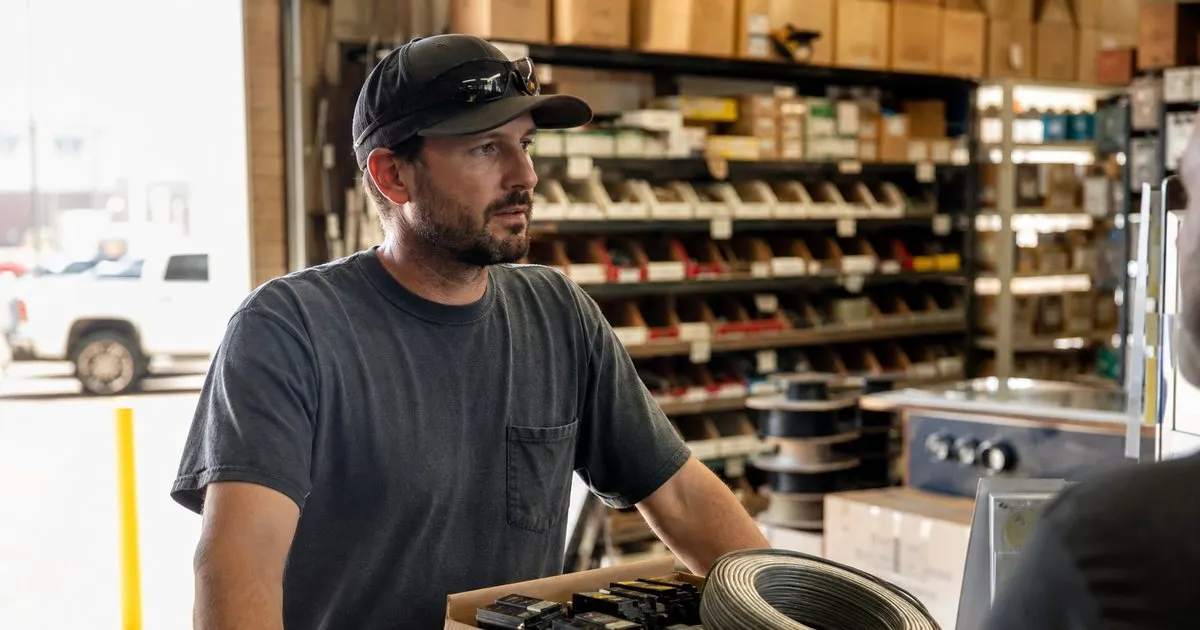
Every quote has two costs baked in that can move: materials and your schedule. Copper, lumber, fixtures, and specialty parts can change between the day you priced and the day the customer says yes. Your calendar moves too; a slot you had open in two weeks may be booked solid by the time the signature comes back. A validity date gives you a clean, non-personal reason to revisit both.
It also protects the customer, in a way. A quote honored a year later on old prices is often a quote that gets quietly compensated for with lower grade materials or rushed labor. Stating a date up front sets an honest expectation: this price reflects this moment, and I will confirm it again if you come back later. Related: Why the Fastest Quote Often Wins the Job
Keep reading: Why the Fastest Quote Often Wins the Job, Quoting on Site: The Advantages, Building a Price Book You Can Reuse. See how QuoteSnapr helps you photo-based quote and estimate builder for trade contractors.
Choosing a window that fits your trade
There is no single right number, but a few patterns hold. Material-heavy jobs with volatile inputs, such as roofing, electrical service upgrades, or anything with a lot of copper or lumber, tend to carry shorter windows, often measured in a few weeks. Labor-heavy service work with stable parts can carry longer windows, sometimes a month or two, because the number rarely needs to move.
Consider your sales cycle as well. If homeowners typically take a couple of weeks to decide, a seven-day window creates needless pressure and needless re-quoting. Pick a window slightly longer than your typical decision time, then handle the outliers manually. Whatever you choose, print it clearly on the quote next to the total, not buried in fine print. Related: Quoting on Site: The Advantages
How to reprice without souring the relationship
When a customer comes back after the date, do not open with "that price is expired." Open with "let me confirm that for you." Check the specific lines that might have moved, usually a handful of materials, and update only those. If nothing has changed, say so and honor the number. Customers remember the contractor who checked and kept the price more warmly than the one who never mentioned dates at all.
If something has moved, show the change at the line level rather than presenting a new total. "The water heater unit went up, everything else is the same" is easy to accept. A photo-based quote helps here because the customer sees the same pictures and the same scope, with just one line adjusted, instead of feeling like the deal was rewritten. Related: What should a contractor do when a customer asks for extras after the quote is signed?
Using expirations as a gentle follow-up trigger
An approaching validity date is also the most natural reason to check in. A short message a few days before the date, noting that the price is good until then and offering to answer questions, is helpful rather than pushy. It gives slow deciders a reason to act and gives you a clean point to close the file if they do not.
Track what happens at expiration. If many quotes lapse and then come back, your window may be too short. If almost none lapse, it may be longer than it needs to be, and you are carrying price risk for nothing. A quoting tool that flags quotes nearing their date turns this review into a five-minute weekly habit instead of a memory exercise. Related: Building a Price Book You Can Reuse
- State a clear validity date next to the total so repricing is expected, not personal.
- Match the window to material volatility and to how long your customers typically take to decide.
- When repricing, confirm line by line and honor everything that has not moved.
- Use the approaching date as a natural, low-pressure follow-up moment.

Julien Jimenez
Julien Jimenez is an independent software builder based in Paris. He designs, ships, and operates focused SaaS products for small businesses and independent professionals. Read the full author page.
Quote the job from the driveway
Photo-based quote and estimate builder for trade contractors. QuoteSnapr is built to help you put this into practice.
Build a quoteMore from the QuoteSnapr blog

Why the Fastest Quote Often Wins the Job

Quoting on Site: The Advantages
Building a Price Book You Can Reuse
Get the QuoteSnapr playbook
Practical guides on field quoting, straight to your inbox as we publish them. No spam, unsubscribe any time.