When should a contractor walk away from a quote request instead of bidding on it?
Not every job is worth quoting. Knowing when to decline politely saves hours of unpaid estimating and keeps your schedule open for work that pays.
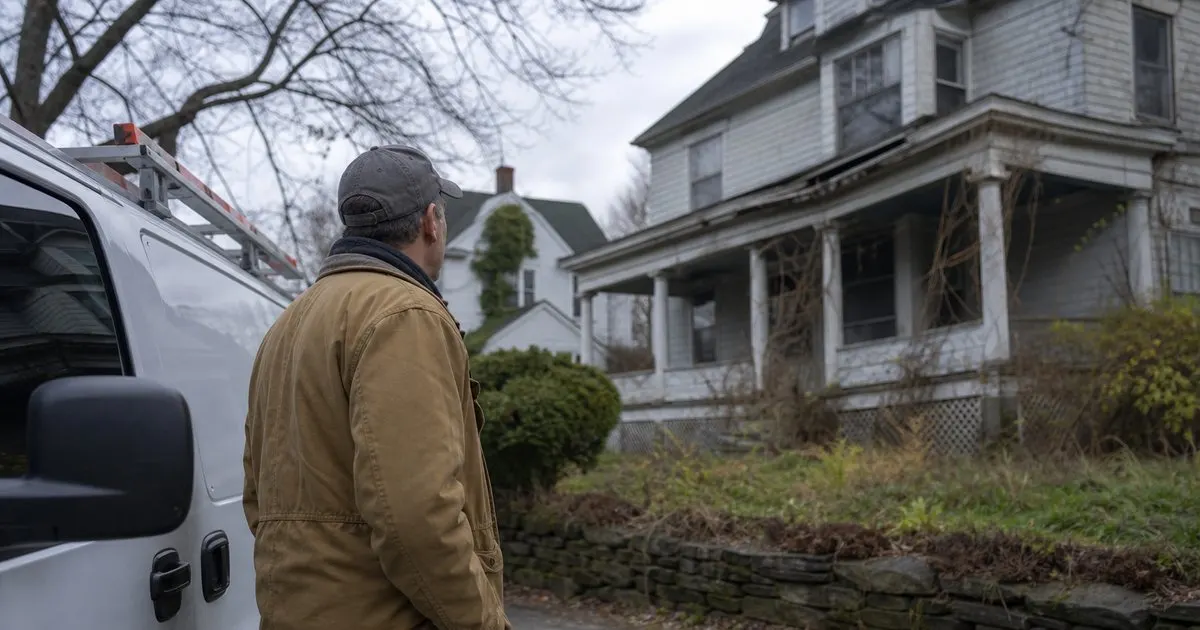
Quoting is unpaid work, so it deserves a filter
Every quote costs you a site visit, measuring, pricing, and writing, plus the drive. On a busy week, a few unqualified requests can eat a full day of billable time. Contractors who never decline tend to end up with a calendar full of low-margin jobs and a backlog of quotes that will never convert. A filter is not arrogance. It is how you keep the estimating hours you do spend pointed at jobs that fit. Related: Why the Fastest Quote Often Wins the Job
The filter starts before the visit. A short phone or text conversation can establish the scope, the timeline, the budget expectation, and whether the customer is collecting many bids or ready to choose. Asking "what is your timeline for getting this done" and "have you had other quotes yet" is normal, and the answers tell you a lot.
Keep reading: Why the Fastest Quote Often Wins the Job, Quoting on Site: The Advantages, Building a Price Book You Can Reuse. See how QuoteSnapr helps you photo-based quote and estimate builder for trade contractors.
Signals that a job is a poor fit
Some signals are about the work: it is outside your trade or license, it requires equipment you would have to rent at a loss, or it is too far away to service a warranty call. Some are about the customer: they describe the last three contractors as crooks, they want a firm price before you have seen the site, they push you to skip the permit, or they are already negotiating your rate before you have quoted anything. Related: Quoting on Site: The Advantages
None of these alone means walk away. A customer with a bad past experience may simply be cautious. But two or three together usually predict a job that will be slow to approve, quick to dispute, and reluctant to pay. Your past jobs are the best guide: think of the ones you regretted and note what they had in common at the quoting stage.
Declining without burning the bridge
Say no promptly and kindly. "This one is outside what we do well, so I would rather not quote it than do it poorly" is honest and leaves the door open. If you know someone who fits, refer them; a good referral turns a declined lead into goodwill that often comes back as a future job. Do not ghost the request. Silence is the one response that reliably creates a bad review.
For jobs you would take under different conditions, say the conditions. "I can quote this if we pull the permit" or "I can do this in the spring but not this month" gives the customer a real choice and occasionally converts a poor fit into a good one on your terms.
The middle path: a quick quote instead of a full one
Some requests are uncertain rather than bad. For those, a lightweight quote is often the right answer: a few photos from the customer, a ballpark range with clear assumptions, and a note that a firm price follows a site visit. If the range scares them off, you saved a trip. If it does not, they are qualified and the visit is worth making. Related: Itemized Quotes and Why They Build Trust
A phone-based quoting tool makes this middle path practical because a rough quote from the customer's photos takes minutes and still looks professional. Track how these convert. If ballpark quotes rarely turn into visits, tighten your phone screening. If they convert well, you have found a way to say a soft yes to more requests without giving away your afternoons. Related: How Photos Make a Quote More Persuasive
- Screen by phone before visiting: scope, timeline, budget expectation, and where they are in the decision.
- Watch for clusters of signals, not single ones, such as skipping permits, price before site visit, and negotiating before quoting.
- Decline quickly, kindly, and with a referral when you can; never go silent.
- Use a ballpark range built from customer photos as a soft yes for uncertain requests.

Julien Jimenez
Julien Jimenez is an independent software builder based in Paris. He designs, ships, and operates focused SaaS products for small businesses and independent professionals. Read the full author page.
Quote the job from the driveway
Photo-based quote and estimate builder for trade contractors. QuoteSnapr is built to help you put this into practice.
Build a quoteMore from the QuoteSnapr blog
Why the Fastest Quote Often Wins the Job

Quoting on Site: The Advantages
Building a Price Book You Can Reuse
Get the QuoteSnapr playbook
Practical guides on field quoting, straight to your inbox as we publish them. No spam, unsubscribe any time.