How do you turn a signed quote into a final invoice without retyping everything?
The invoice should be the quote plus what changed. Here is a workflow that keeps the two documents in sync and gets you paid faster.
Why retyping is where errors and delays come from
The classic small-contractor workflow is a quote in one place and an invoice in another, with the numbers typed twice. Every retype is a chance to drop a line, misprice an extra, forget the deposit credit, or invoice a different scope than the one the customer approved. And because retyping is tedious, invoices get written at the kitchen table days later, which means you get paid days later. Related: Why the Fastest Quote Often Wins the Job
The fix is a mindset before it is a tool: the invoice is not a new document. It is the approved quote, plus approved changes, minus payments received. If you hold that idea, the workflow almost writes itself, and any tool you use, from a spreadsheet to a dedicated app, should be judged by how well it preserves that chain.
Keep reading: Why the Fastest Quote Often Wins the Job, Quoting on Site: The Advantages, Building a Price Book You Can Reuse. See how QuoteSnapr helps you photo-based quote and estimate builder for trade contractors.
Keep the chain: quote, changes, payments, invoice
Start with the approved quote as the base. Every change order during the job is added as its own line with its own approval, not scribbled on a notepad. Every payment, including the deposit, is recorded against the job when it arrives. At the end, the invoice is generated from those three sources, and the customer sees exactly what they agreed to, what changed, and what they have already paid.
The customer-facing benefit is large. They can lay the quote and the invoice side by side and match every line. The only new lines are the change orders they approved, and those show the date and their approval. Disputes at invoicing usually come from surprises, and this structure has none.
Invoice on site, from the driveway
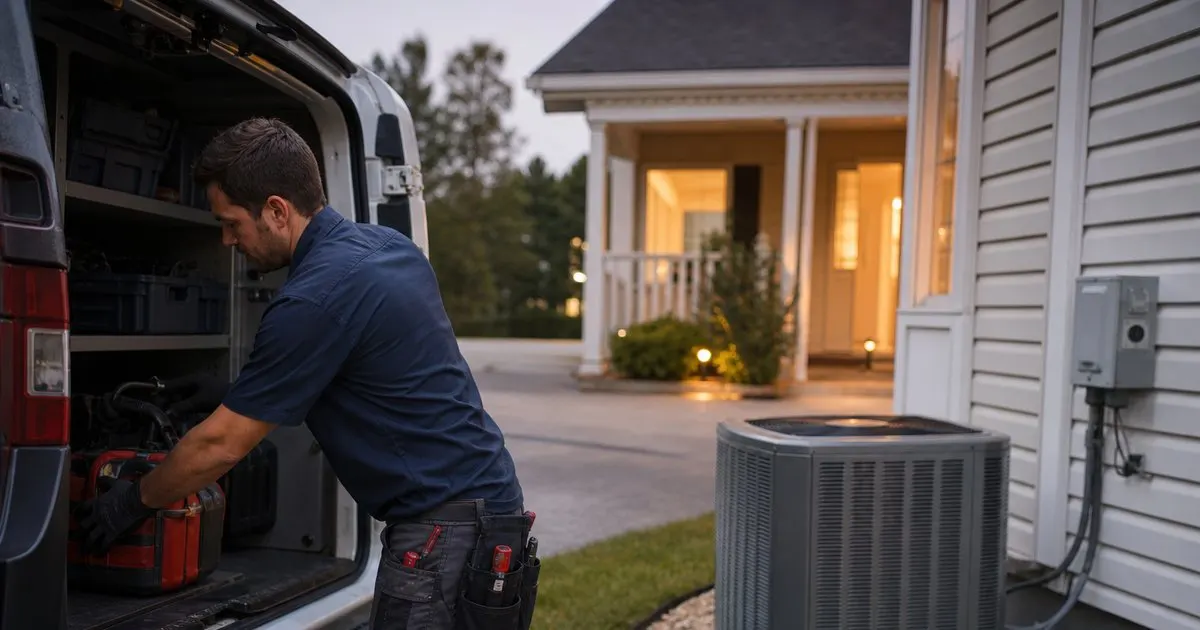
The best time to send the invoice is before you leave. The work is fresh, the customer is present, and any question can be answered on the spot. With a phone-based quoting tool, this means opening the job, confirming the change orders, taking the final photos, and sending the invoice with a payment link in a couple of minutes. A photo of the completed work on the invoice closes the loop that the quote photos opened. Related: Quoting on Site: The Advantages
If you cannot send from the site, send the same day. Same-day invoices get paid faster for a simple reason: the value of the work is still vivid. A week later, the customer has moved on and the invoice becomes one more piece of paperwork to get to eventually.
Handling the differences that always come up
A few things routinely differ between quote and invoice. Allowances are settled to actual cost, up or down, with a note. Quantities on materials priced per unit are adjusted to what was used. Items that were quoted and not done are removed with a short reason. Each of these is a line-level edit with a note, not a rewrite, so the customer can follow the math. Related: Following Up on a Quote Without Being Pushy
Finally, close the loop internally. Compare the invoiced total to the quoted total and note why they differ. Over a few dozen jobs, this comparison tells you where your quotes are consistently low, which materials you are underestimating, and which extras should become standard lines. The invoice is the last step of the job and the first step toward a better next quote. Related: Itemized Quotes and Why They Build Trust
- Treat the invoice as the approved quote plus approved changes minus payments, never as a new document.
- Record every change order and payment against the job as it happens so the invoice assembles itself.
- Send the invoice from the driveway with completion photos and a payment link, or same day at the latest.
- Compare invoiced totals to quoted totals over time to find where your quotes run low.

Julien Jimenez
Julien Jimenez is an independent software builder based in Paris. He designs, ships, and operates focused SaaS products for small businesses and independent professionals. Read the full author page.
Quote the job from the driveway
Photo-based quote and estimate builder for trade contractors. QuoteSnapr is built to help you put this into practice.
Build a quoteMore from the QuoteSnapr blog

Why the Fastest Quote Often Wins the Job

Quoting on Site: The Advantages
Building a Price Book You Can Reuse
Get the QuoteSnapr playbook
Practical guides on field quoting, straight to your inbox as we publish them. No spam, unsubscribe any time.